
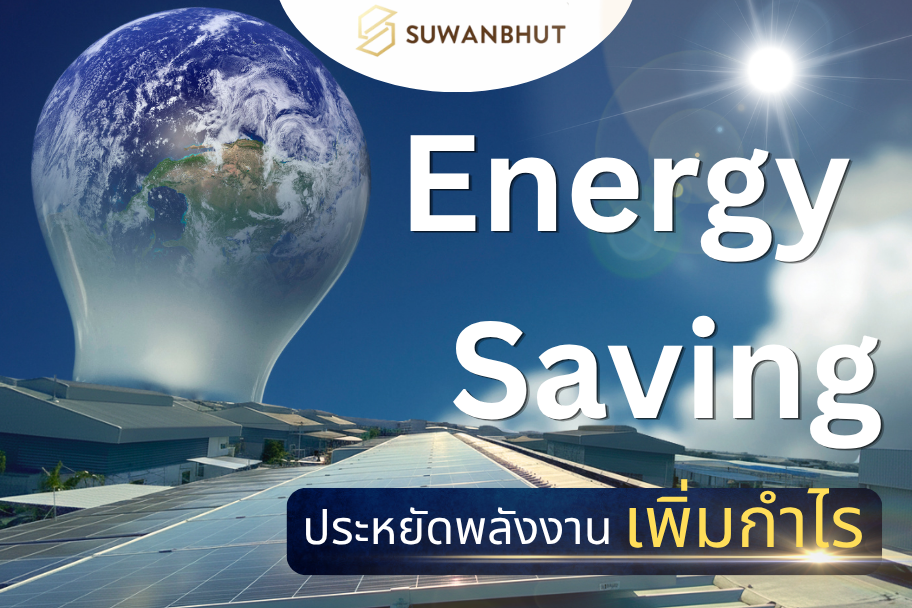
In an era of steadily rising energy costs, managing energy efficiently is no longer just an option but a necessity for SME operators who want to stay competitive and keep production costs at a reasonable level. This is especially true for businesses that use a factory or warehouse as their base for production and storage, which often consume large amounts of electricity for lighting, machinery, cooling systems and ventilation systems.
This article presents energy-saving approaches that entrepreneurs can put into practice, and shows how choosing the right location and infrastructure, such as space in the Suwanbhut Project in the Bang Phli–Bang Pla area of Samut Prakan Province, can be an important starting point for saving energy sustainably over the long term.
Why Energy Saving Matters for SMEs
For businesses that rent a factory or warehouse for production or storage, electricity is often one of the highest operating expenses. Even a small reduction in energy use can have a significant positive effect on net profit. In addition, giving priority to energy also strengthens a business’s image in terms of environmental responsibility, a factor that more and more partners and customers value today.
Practical Energy-Saving Approaches for Factories and Warehouses
1. Design the space for natural light and good airflow
A factory or warehouse with a well-designed structure, for example with natural-light openings, a roof that dissipates heat well and adequate ventilation openings, can greatly reduce reliance on electric lighting and air conditioning during the day.
2. Switch to energy-efficient lighting and machinery
Replacing bulbs with LED lighting and choosing machinery or electrical equipment with the Energy Label No. 5 is a short-term investment that pays back quickly and clearly reduces electricity costs in the long run.
3. Plan regular machinery maintenance
Machinery that is not properly maintained often uses more energy than normal. Regular inspections and scheduled maintenance help machines run at full efficiency and extend their service life.
4. Install a solar rooftop system
For factories and warehouses with large roof areas, installing solar panels is an increasingly popular option, as it reduces electricity costs during the daytime, which is the main operating period for most businesses. (Read more, in Thai: How much can a Solar Roof reduce heat load in a factory?)
5. Manage logistics and storage space efficiently
Choosing a location near major transport routes reduces the time and energy spent transporting goods. This is an indirect form of energy saving that many businesses overlook.
A Good Location Is the Starting Point of Energy Saving
One factor often overlooked when discussing energy saving is the location of the factory or warehouse. Choosing an area within an industrial zone that has ready infrastructure, convenient access and proximity to key transport routes can greatly reduce the energy wasted on transporting raw materials and products.
The Suwanbhut Project, located in the Bang Phli, Bang Pla and Bang Pu areas of Samut Prakan Province, is an example of a project offering factory and warehouse rental designed specifically to support SME businesses. With its convenient location in an industrial area that is conducive to doing business, entrepreneurs who choose space in this project can plan their logistics efficiently, shorten transport times, and have a good starting point for building on other energy-saving measures within their own production areas, such as installing energy-efficient lighting or improving ventilation inside the warehouse, so that their business operates cost-effectively and sustainably over the long term.
Conclusion
Energy saving is no longer a distant matter for entrepreneurs. It is an important strategy that helps reduce costs, increase competitiveness and build business sustainability. Choosing a suitable factory or warehouse location, such as space in the Suwanbhut Project, which offers ready infrastructure and a strategic location, is another factor that helps a business’s energy-saving measures deliver even better results over the long term.
Frequently Asked Questions (FAQ) – Energy-Saving Warehouses and Factories at the Suwanbhut Project
Q: How does renting a factory or warehouse designed for energy saving help reduce business costs?
A: It significantly reduces utility expenses in the long term, especially electricity, through innovative building design such as good ventilation, natural lighting, and readiness for Solar Roof installation, which turns the electricity burden into a controllable cost.
Q: What energy-saving features do the warehouses and factories at the Suwanbhut Project have?
A: The project is designed with cost-effective energy use in mind, for example construction materials that reduce heat entering the building, natural light openings (skylights) to reduce daytime lighting, ventilation that lessens the load on air conditioning, and a structure ready to support the installation of a solar (Solar Roof) system.
Q: Which types of business are factories or warehouses with a Solar Roof best suited to?
A: They are especially suitable for businesses with high electricity consumption throughout the day, such as manufacturing plants, temperature-controlled warehouses, distribution centers, or businesses that run machinery and lighting regularly. This helps them recover the investment quickly and increase profits sooner.
Q: How does a building designed for good lighting and airflow benefit work?
A: Besides saving electricity from lights, fans and air conditioning, it creates an indoor environment that is not stuffy, helping employees work efficiently, reducing fatigue, and protecting the quality of goods in the warehouse from damage caused by dampness.
Q: How can I get in touch if I am interested in renting an energy-saving factory or warehouse at the Suwanbhut Project?
A: You can contact the Suwanbhut Project team to ask about available space and technical details, or to schedule a site visit, by phone at 066-164-9988, via LINE Official: @suwanbhut, or through the website www.suwanbhut.com.